
Community and environment.
Strong communities. Responsible operations.
The resources sector is deeply connected to Queensland’s communities. Through business partnerships, sponsorships and programs, companies invest in local priorities and help build stronger, safer, more vibrant regions.
Community.
In 2024-25, the resources sector supported over 1,730 community organisations across health, education, environment and the arts, and worked with 17,600 Queensland suppliers.
How support shows up:
Local sport and youth programs.
Health and safety initiatives.
Education and skills partnerships.
Environmental projects and rehabilitation programs.
Lower emissions technology for operations.
Indigenous business and workforce diversity.
Environment.
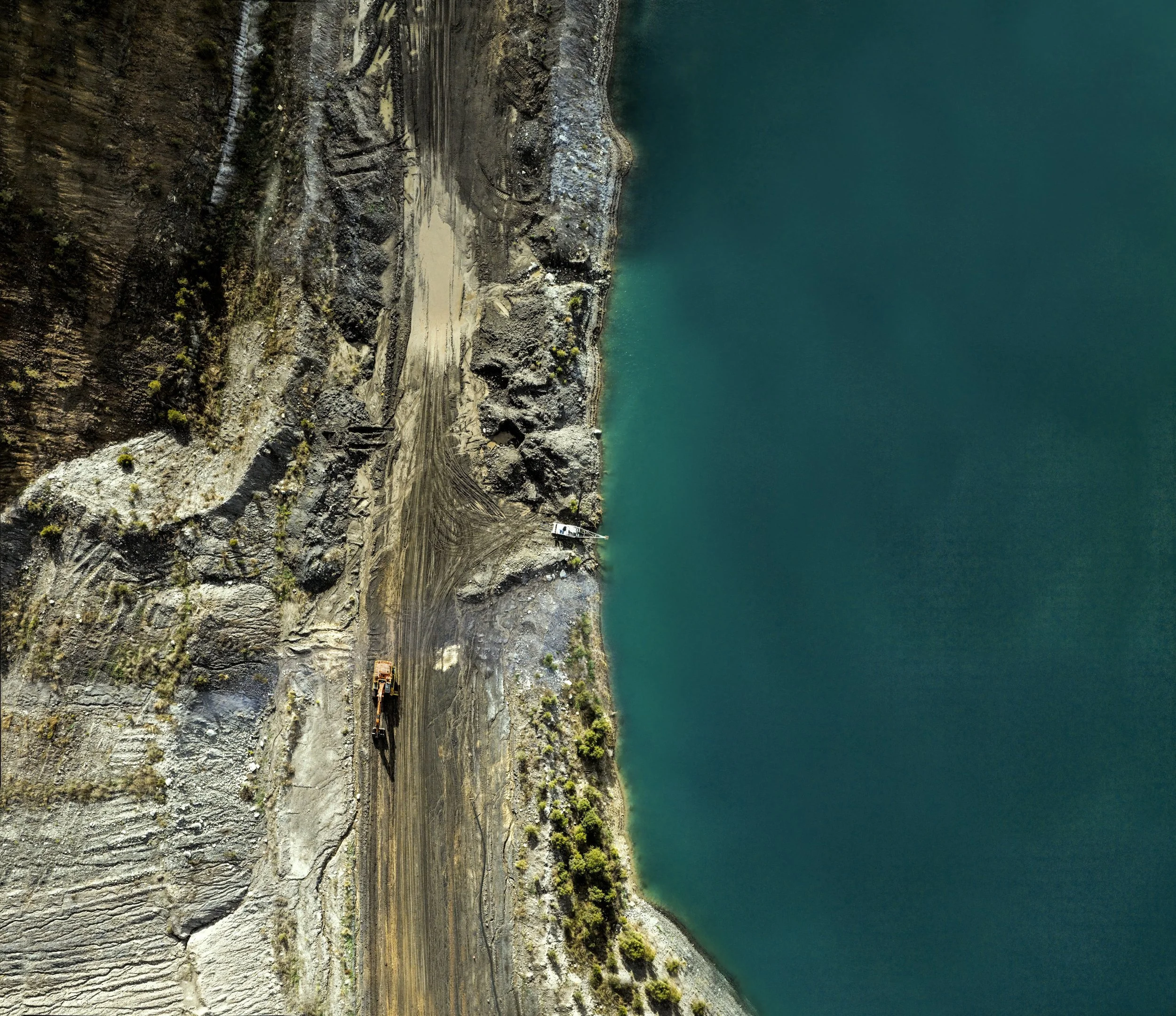
The QLD resources sector rehabilitated more than 92,000 hectares of land in 2024 and is world-renowned for its progressive and innovative approach to managing its effects on the environment. Sustainable mining principles ensure the focus for operations is the total footprint and operational effects to the environment, including land, biodiversity, air quality and water.
Footprint - about 0.1% of Queensland’s land use for operations.
Rehabilitation - progressive works during operations, not just at closure.
Standards - strong regulation and monitoring, with transparent reporting.
Decarbonisation - reducing emissions in line with business commitments.
Sustainability - continuous investment in safety, environment and social performance across operations for the benefit of workers and the community.
Myth busters.
Myth:
“Addressing climate change means we won’t be mining much in the future.”
Fact:
In the future, Australia and the world will still need metallurgical coal for steel, and critical minerals like nickel, lithium and other rare earths for production of batteries, solar panels and technology. The world will need more minerals and metals in the future - not less.
Myth:
“Mining doesn’t count its emissions.”
Fact:
Each year, the sector reports its emissions to the Commonwealth Government under the National Greenhouse Emissions Register and works with Federal and State legislation to co-design sector plans.
Myth:
“Coal isn’t used anymore.”
Fact:
In Queensland, thermal coal provides the baseload energy for powering homes, business and activities across the state. On average, thermal coal supports between 60-80% of the state’s energy needs and this is set to continue for decades to come. Steelmaking coal plays a vital role in manufacturing, including for renewable energy technologies, and is critical to international urbanisation and industrialisation.
Learn more.
The information included on this page comes from the QLD Mine Rehabilitation Commissioner and QRC.