
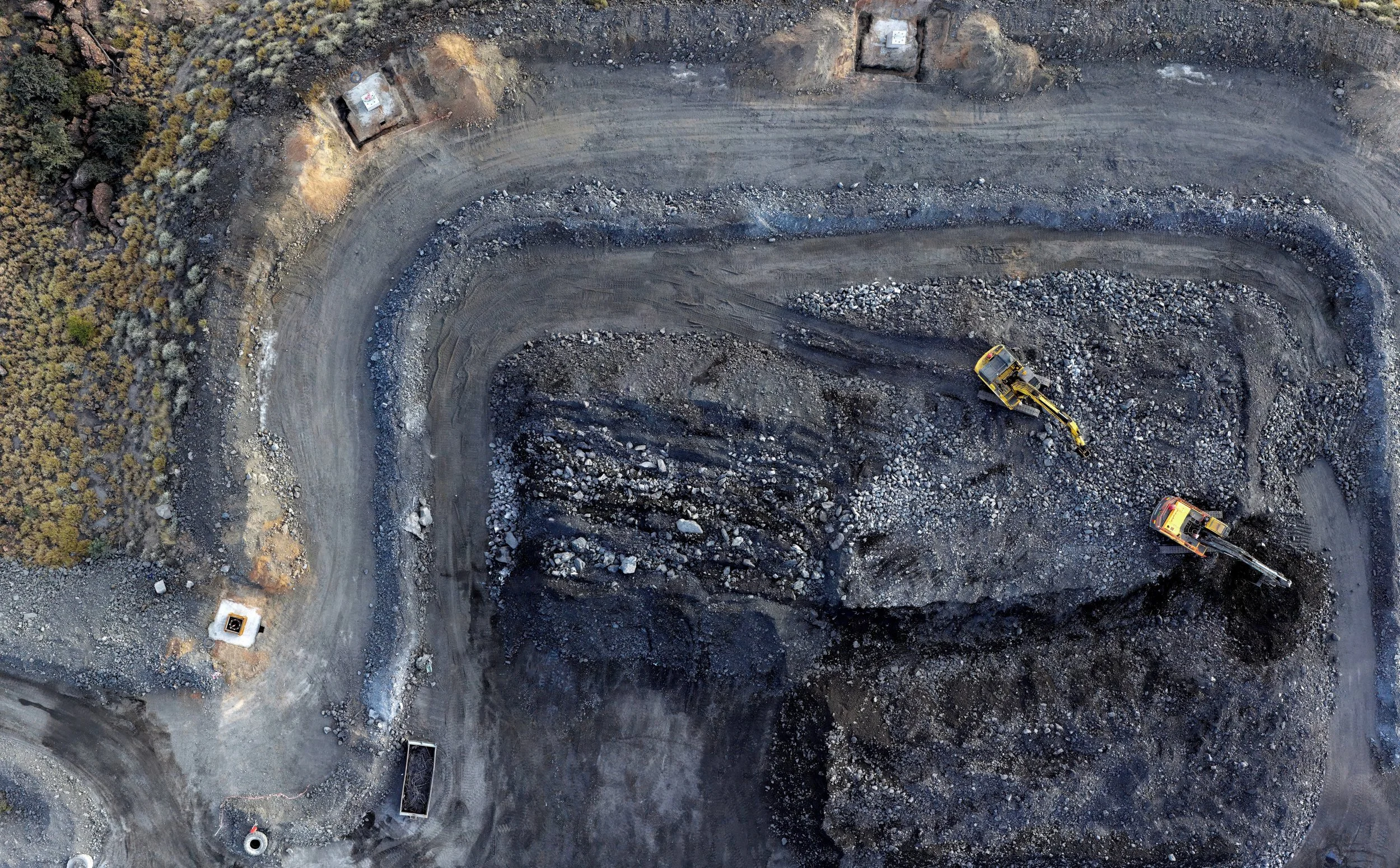
What does 0.1% look like?
A small land footprint delivering a big return for Queensland.
Queensland’s resources sector operates under some of the strictest and most transparent land-use and environmental frameworks in Australia. While the footprint of the industry is often perceived as large and sprawling, the reality is very different: at any one time, around 0.1% of Queensland’s land mass is used for resources operations.
This small footprint is carefully managed through a rigorous system designed to protect land, water and biodiversity, and ensure that resources projects coexist responsibly with other land uses.
Approvals and Coexistence.
Every new project or expansion must pass a detailed, multi-stage assessment process covering environmental impact, cultural heritage, water use, rehabilitation planning and community consultation. In many instances, operations coexist with agriculture, grazing, tourism, conservation areas and regional communities.
Rehabilitation isn’t something that happens decades later — it begins while the project is still operating. Disturbed areas are reshaped, replanted and restored in stages once mining has ceased.
Before a project or expansion is approved, operators must now outline how land will be returned to an agreed post-mining use. This might include grazing, conservation, recreation or other productive uses aligned with local needs and environmental conditions.
Why it matters.
From this footprint comes billions of dollars in investment, hundreds of thousands of jobs, and significant royalty revenue that help fund Queensland’s essential services like hospitals, schools, and transport. The sector’s contribution outweighs the land it uses, delivering long-term benefits for communities across the state.
Myth:
“I always thought the land footprint is huge?”
Fact:
At any one time, around 0.1% of Queensland’s land is used for resources operations — a much smaller area than most people expect.
Myth busters.
Myth:
“Is land left behind?”
Fact:
Rehabilitation is now built into the approvals process and occurs progressively throughout the life of a project, not just at the end.
Learn more.
Figures use total and direct contributions for 2024-25, based on economic modelling by Lawrence Consulting. Learn more about the methodology here.